
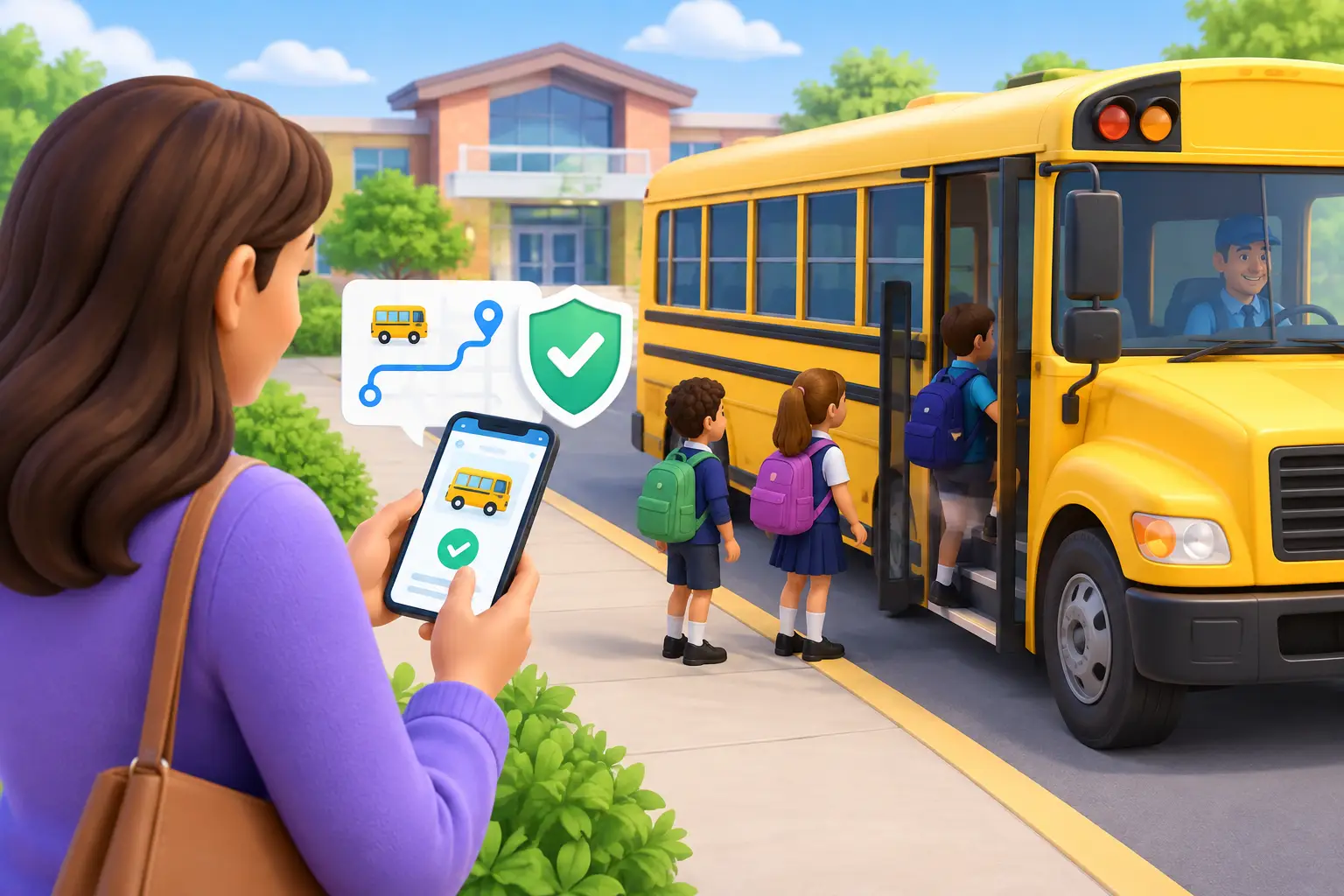
A school morning has very little room for surprises. Whether you are arranging transport for your child, booking on behalf of a school, or putting a regular contract in place, knowing how to book school runs properly can make the whole week feel calmer. The right arrangement is not simply about getting from A to B. It is about a familiar routine, clear communication and the confidence that somebody responsible is at the door when they should be.
Start with the journey your child actually needs
Before contacting a transport provider, be clear about the full journey rather than just the school address. Confirm the home pick-up point, school entrance, required arrival time and whether the same arrangement is needed in the afternoon. A few minutes spent getting these details right helps avoid rushed changes later.
Think, too, about the support required at either end. A younger child may need collecting from a particular adult, while an older pupil might have permission to leave the vehicle independently. If your child has mobility needs, carries specialist equipment or benefits from extra time getting in and out, say so at the beginning. This allows the provider to plan the right vehicle and level of assistance without making the journey feel hurried.
For families with changing work patterns, it is worth deciding whether you need a term-time arrangement only, a regular weekday booking, or occasional cover for selected days. A dependable provider will explain what can be accommodated and will be honest if a route or time cannot be guaranteed.
How to book school runs with the right provider
A local private-hire company should welcome questions. School transport is a responsibility, not just another fare, so you should feel comfortable speaking to a real person who understands the route and can explain how the service will work.
When comparing providers, ask about their experience with regular school journeys and how they manage punctuality at busy times. A school run can be affected by roadworks, weather and the familiar rush around drop-off gates. The aim is not to promise that traffic will never happen, but to work with sensible collection times and local knowledge so that children are not left worrying about being late.
It is also sensible to ask who will be driving. Consistency matters, particularly for younger passengers and children who find changes difficult. A familiar, professional driver can turn an anxious journey into a settled part of the day. If a regular driver is unavailable, you should know how cover will be handled and how you will be informed.
Safeguarding should be part of the conversation, not an awkward extra. Ask what checks, training and procedures are in place for drivers carrying children. You may also wish to ask how the provider records collection instructions, manages authorised adults and handles an unexpected absence from school or home.
Give clear booking details from the outset
The more accurate the information, the more dependable the routine can be. A proper school-run booking will usually need the following details:
- your child’s name, school and year group
- full collection and drop-off addresses, including the correct school gate or reception point
- the days, times and term dates required
- parent or guardian contact numbers, plus an emergency contact
- collection permissions and any adults who are authorised to meet your child
- relevant mobility, medical or communication needs that may affect the journey
This is also the time to mention practical matters such as a booster seat requirement, a folded wheelchair, a musical instrument or a large school bag. There is no need to share personal information that does not affect transport, but details that help the driver provide safe, considerate support are useful.
If the journey is for several children, confirm whether they are travelling together and whether they must be collected or dropped off in a particular order. A route that looks straightforward on a map can become unsuitable if it means one child is in the vehicle for far longer than expected.
Agree the handover routine
The handover is one of the most important parts of a school run. For younger children, agree exactly where the driver should wait and whether a parent or guardian must be present at collection. At school, establish whether the child should be handed over at reception, a named entrance or a supervised pick-up point.
For the return journey, be specific about what should happen if nobody is at home. Children should never be left to make that decision themselves. A clear procedure gives everyone confidence and helps the driver act quickly if plans change.
Choose a routine that allows for real life
The cheapest quote is not always the best value if it leaves no time for road delays, a child putting on a coat, or a busy school entrance. A good school-run plan builds in a little breathing space. That may mean a pick-up time a few minutes earlier than the bare minimum, especially during the first weeks of term or through winter weather.
Fixed, pre-agreed pricing can also make family budgeting easier. You know what the regular journey will cost, rather than watching a fare change from day to day. For schools and organisations, a written agreement covering the route, days, timetable and payment arrangements keeps responsibilities clear for everyone.
Regular communication matters just as much. Make sure you know the best contact number for changes and how much notice the provider needs when a child is absent. Send a message as early as possible if they are ill, attending a breakfast club, staying for an after-school activity or being collected by somebody else. That small courtesy prevents an unnecessary journey and ensures no one is left waiting.
Make accessibility part of the plan, not an afterthought
Every child deserves to travel with comfort and dignity. If your child uses a wheelchair or needs extra support, ask direct questions about the vehicle and boarding arrangements. A suitable accessible minibus should allow a wheelchair user to remain safely in their chair where needed, with the correct equipment and space for a companion if required.
It is helpful to arrange a conversation before the first journey to talk through the routine. Explain how your child prefers to communicate, whether they need a little extra time, and what helps them feel comfortable. The best arrangements are tailored to the person travelling, rather than expecting them to fit a standard service.
For many families, a trial journey before the first school day can be reassuring if it is available. It gives the child a chance to see the vehicle, meet the driver and understand what will happen. This can be particularly valuable after a school move or when a child is nervous about travelling independently.
Check in after the first week
A booking is only the beginning. Once the routine has started, ask your child how the journey feels. Are they comfortable with the collection time? Do they know where to wait? Is there anything small that would make the experience easier? Children often notice practical details that adults miss.
It is also a good time to confirm that the route is working well with the provider. The first week may reveal that a gate is busier than expected, a road is regularly congested, or a slightly different pick-up time would make mornings more relaxed. A family-run local service such as Bright Star Travel can respond to those details with the personal attention that regular passengers deserve.
Plan ahead for term dates and changes
Put key dates in the diary well before they arrive: inset days, half-term, early finishes, parents’ evenings and the end of term. Do not assume a regular school-run booking automatically covers every variation in the school calendar. Confirm the arrangements in advance, especially for earlier collections when demand can be higher.
If your family is moving house, changing schools or adjusting working hours, let the provider know as soon as possible. A new address may affect the route, vehicle availability and price. Early notice gives the best chance of keeping a familiar driver and a routine your child already trusts.
A well-booked school run should leave your child feeling expected, supported and safely on their way, while giving you one less thing to worry about before the day has properly begun.